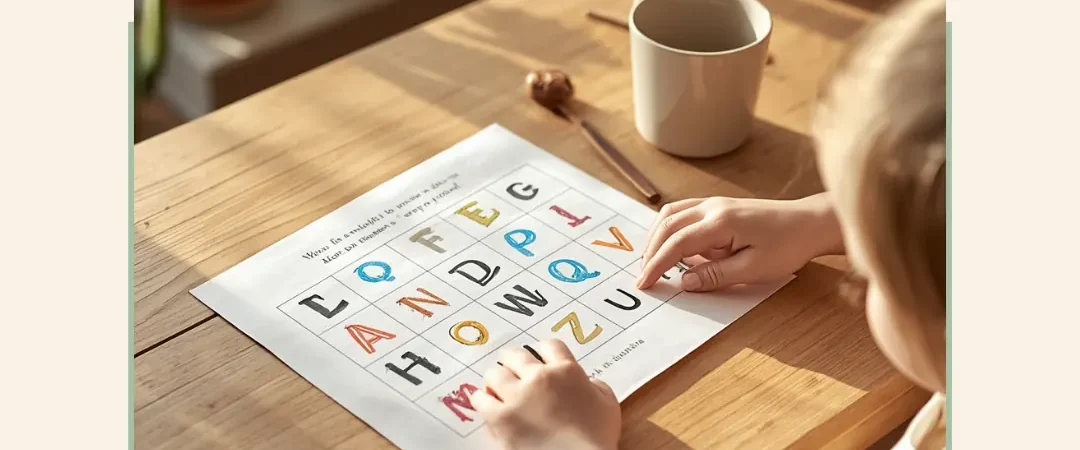
If you want to know how to teach phonics at home, you are in the right place. Reading is one of the most powerful gifts you can give your child. When they can open God’s Word and read it for themselves, everything changes — and phonics is the foundation that makes it possible.
This guide walks you through exactly how to teach phonics in your Christian homeschool, from the very first letter sounds all the way to independent reading.
What Is Phonics and Why Does It Matter?
Phonics is the method of teaching children to read by connecting letters to the sounds they make. Instead of memorizing whole words by sight, children learn the building blocks of language — and then use those blocks to decode any word they encounter.
Research consistently shows that phonics-based instruction produces stronger readers than whole-language approaches. For homeschool families, this matters because you are the one setting the method. You get to choose the approach that actually works.
When Should You Start Teaching Phonics?
Most children are ready to begin phonics instruction between ages four and six, but every child is different. Before starting, look for these readiness signs:
- Your child can identify most capital letters
- They show interest in books and being read to
- They can follow simple two-step instructions
- They have basic pencil grip and fine motor control
If your child is not quite there yet, that is completely normal. Keep reading aloud together and revisit phonics in a few months. There is no race.
The Phonics Sequence: Where to Start and What Comes Next
Phonics is most effective when taught in a logical order. Here is the sequence most reading specialists recommend:
1. Single Letter Sounds (Consonants and Short Vowels) Start with the most common consonants — S, A, T, P, I, N — because they allow you to form simple three-letter words quickly. This early success builds confidence.
2. CVC Words (Consonant-Vowel-Consonant) Once your child knows six to eight sounds, start blending them into simple words: cat, sit, pin, top. This is where reading clicks for most kids.
3. Consonant Blends and Digraphs Blends are two consonants together: bl, cr, st. Digraphs are two letters that make one sound: ch, sh, th, wh. These open up hundreds of new words.
4. Long Vowel Patterns The silent e rule (like in “cake” and “home”) and vowel teams (ai, ea, oa) come next. This is often where traditional schoolrooms rush — take your time here.
5. Advanced Patterns Diphthongs (oi, ou), r-controlled vowels (ar, er, ir), and multi-syllable words round out the sequence. By this point, most children are reading independently.
How to Teach Phonics at Home: Daily Practice That Works
Consistency beats intensity. Twenty minutes a day of focused phonics instruction will outperform an hour-long session done twice a week. Here is a simple daily rhythm:
Review (3–5 minutes): Flash through sounds your child already knows. Keep this fast and fun.
New Instruction (5–8 minutes): Introduce one new sound or pattern. Say it, show it, trace it.
Word Practice (5–7 minutes): Read and build words using the new sound. Use letter tiles, a whiteboard, or even chalk on the driveway.
Read Aloud Together (5 minutes): End with a short decodable book or a passage from a simple reader. Let them see the sounds they just learned in real words.
Christian Phonics Curriculum Options
There are several excellent phonics programs that fit a Christian homeschool beautifully:
All About Reading — Systematic, multi-sensory, and beloved by homeschool families. The lessons are structured and clear. No specific faith content, but easy to supplement with Scripture.
The Good and the Beautiful Language Arts — Explicitly Christian, beautifully designed, and includes phonics instruction woven through their language arts program. A strong choice if you want faith integrated from the start. We reviewed The Good and the Beautiful curriculum in depth if you want the full breakdown.
Teach Your Child to Read in 100 Easy Lessons — Secular but highly effective. Many Christian families use it as their phonics spine and supplement with Bible readers.
Explode the Code — Workbook-based phonics practice. Works well as a supplement alongside any of the above.
Bob Books — Not a curriculum, but the decodable readers are excellent for building fluency in early readers.
Bringing Faith Into Your Phonics Lessons
One of the greatest privileges of homeschooling is that faith is never separate from learning — it is woven through everything. Here are simple ways to bring Scripture into your phonics time:
- Use Bible verses as reading practice. Simple passages like “God is love” (1 John 4:8) are perfect for beginning readers.
- Create alphabet flashcards with a faith-based word for each letter — A for Anointed, B for Blessed, C for Created.
- Celebrate reading milestones with a short prayer of thanksgiving. When your child reads their first full sentence, stop and thank God together.
- Use your child’s name and family faith words as early sight words — words like “Jesus,” “pray,” and “Bible” are highly motivating for young Christian readers.
What to Do When Your Child Struggles
Phonics struggles are normal and do not mean your child cannot learn to read. Here is how to troubleshoot:
They cannot blend sounds together. Slow it way down. Practice stretching sounds verbally before ever touching a book. “Sssss-aaaa-ttt” before “sat.”
They confuse similar letters (b/d, p/q). This is extremely common in early readers. Use hand motions, verbal cues, and consistent repetition. Many children outgrow letter reversals by age seven.
They read a word correctly and then cannot remember it a minute later. This is a sign they need more repetition at the current level before moving forward. Do not advance yet.
They resist phonics lessons entirely. Burn out at this stage usually means lessons are too long, too hard, or too passive. Shorten the session, increase movement, and back up one level.
If struggles persist past age seven or eight, consider looking into whether your child may benefit from additional support. Resources for teaching kids with learning differences are worth exploring. We have covered some of those strategies in our guide to calming activities for kids with ADHD.
Free Phonics Practice Resources
While you are building your phonics routine, printable worksheets and activity pages can make practice feel less like school and more like play. At Faith Filled Learning, we have free printable activities for Christian homeschool families that pair beautifully with early phonics work — letter tracing, matching activities, and coloring pages that reinforce focus and fine motor skills at the same time.
You can also supplement your phonics lessons with our Christian homeschool coloring books, which give young learners something purposeful and calming to do while the lesson content settles.
You Can Do This
Teaching your child to read is one of the most meaningful things you will do as a homeschool parent. It is not about being a perfect teacher. It is about showing up consistently, following a sound method, and trusting that God equipped you for exactly this.
Start with one letter sound. Be patient. Celebrate every small win. The day your child reads a Bible verse out loud on their own — that is worth every hard lesson along the way.