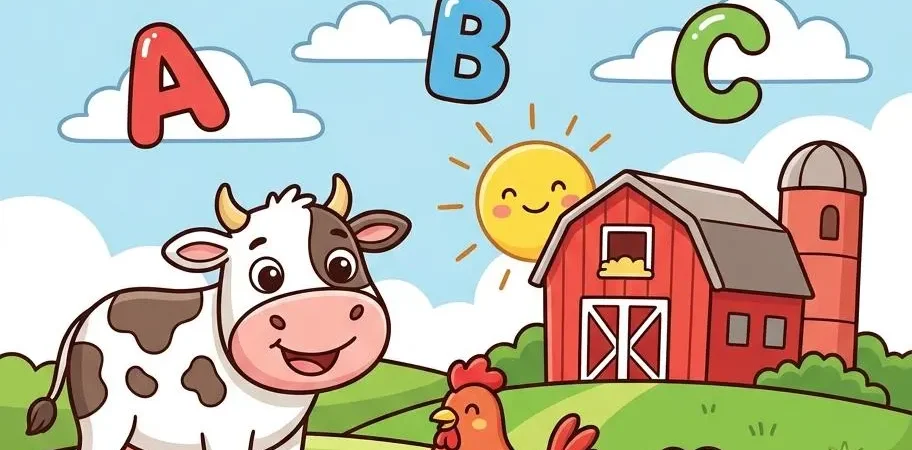
Learning how to teach the alphabet to toddlers at home is one of the most rewarding things you will do as a homeschool parent. It is also one of the most misunderstood.
Most parents think alphabet learning means drilling letter names in order from A to Z. In reality, toddlers learn letters best through repetition, play, and connection to things they already love. The sequence matters far less than the engagement.
This guide walks you through exactly how to teach the alphabet at home — without worksheets, without pressure, and without expensive curriculum.
When Should You Start Teaching the Alphabet?
Most children are developmentally ready to begin recognizing letters between ages 2 and 4. But readiness looks different for every child.
Signs your toddler is ready:
- They show interest in books and being read to
- They notice letters on signs, cereal boxes, or their name
- They can sit for 5–10 minutes of focused activity
- They ask what words or letters say
If your child isn’t showing these signs yet, don’t push it. Read aloud daily, surround them with print-rich environments, and wait. The window will open.
The Most Important Rule: Keep It Playful
Toddlers learn through play. Full stop. The moment alphabet learning feels like a test or a chore, you’ve lost them.
Every method in this guide is built around that principle. Your job is not to drill letters — it is to make letters interesting, familiar, and connected to your child’s world.
How to Teach the Alphabet to Toddlers: 7 Proven Methods
1. Start With the Letters in Their Name
Before teaching A to Z, teach the letters in your child’s name. These are the most meaningful letters in the world to a toddler. They will recognize and remember them faster than any other letters.
Write their name on a card, put it on their placemat or bedroom door, and point to it daily. “That’s your name. That first letter is J — that’s for you.”
2. Read Alphabet Books Daily
Alphabet books are one of the most powerful tools you have — and they’re free at any library. Read them repeatedly. Toddlers love repetition far more than adults do, and each reading builds letter recognition naturally.
Look for alphabet books that connect to your child’s interests. A child who loves animals will engage more deeply with a farm alphabet book than a generic A-is-for-Apple format.
Our Farm Alphabet Coloring Book and Construction Alphabet Coloring Book combine alphabet learning with themes boys ages 3–7 love — giving you a coloring activity and a letter lesson in one.
3. Sing the Alphabet — But Don’t Stop There
The ABC song is a powerful memory tool, but most toddlers learn it as one long word rather than 26 separate letters. Supplement the song with slower, deliberate letter pointing.
As you sing, point to each letter on an alphabet chart or in a book. Pause at letters your child knows. Let them fill in the next letter before you sing it. Turn it into a game.
4. Use Alphabet Coloring Pages
Coloring is one of the most effective low-pressure ways to build letter familiarity. When a toddler colors a page featuring the letter D surrounded by dinosaurs, they are building a visual memory association that sticks far longer than flashcard drilling.
Our Dinosaur Alphabet Coloring Book pairs each letter with a dinosaur illustration — giving kids ages 3–7 a coloring activity that doubles as alphabet practice. Print a page, hand them crayons, and let the learning happen naturally.
5. Label Everything in Your Home
Grab a roll of masking tape and a marker. Label the chair, the table, the door, the window, the refrigerator. Point to the labels during the day — not in a drilling way, but casually.
“Can you bring me the cup? See — C-U-P. Cup starts with C.”
This print-rich environment approach is used in the best early childhood programs in the world. It costs nothing and works beautifully.
6. Letter Hunts
Pick a letter of the week and go on a hunt. How many times can you find the letter B today — in books, on signs, on food packages, on the TV screen?
Keep a tally on a piece of paper. Make it a competition. Celebrate every find. This builds the habit of noticing letters in the real world, which accelerates reading readiness faster than almost any other activity.
7. Connect Letters to Faith
For Christian homeschool families, the alphabet is an opportunity to connect learning to Scripture from the very beginning.
“A is for Abraham, who trusted God. B is for Bethlehem, where Jesus was born.”
Simple, memorable, and it weaves faith into the fabric of daily learning rather than treating it as a separate subject.
What About Letter Sounds vs. Letter Names?
This is one of the most common questions homeschool parents ask. The short answer: teach both, but prioritize sounds for reading readiness.
Knowing that the letter B is called “bee” helps with alphabet recognition. Knowing that B makes the “buh” sound is what enables reading. Start with the sound, add the name, and reinforce both through the activities above.
A Simple Weekly Alphabet Routine for Toddlers
You don’t need a formal curriculum to teach the alphabet effectively. Here is a simple weekly structure that works for toddlers ages 2–4:
- Monday: Introduce the letter of the week — name, sound, and a word it starts with
- Tuesday: Read an alphabet book together, point out the letter of the week
- Wednesday: Alphabet coloring page featuring the letter of the week
- Thursday: Letter hunt — find it everywhere you can
- Friday: Review — “What letter did we learn this week? What sound does it make?”
Twenty minutes a day, five days a week. No pressure, no tests, no tears. Just consistent, playful exposure.
For more ideas on keeping your homeschool day calm and focused, see our guide on calming activities for kids with ADHD.
The Long View
Teaching your toddler the alphabet at home is not just an academic exercise. It is one of the first times you get to show them that learning is joyful, that home is a place of discovery, and that you believe in their ability to grow.
That foundation — laid letter by letter at your kitchen table — will carry them further than any classroom ever could.
Looking for alphabet learning resources? Browse our printable alphabet coloring books at EvergreenPrintHub on Etsy — themed for kids ages 3–7, printed at home, and ready in minutes.